Advanced Senior Neurological Care Offerings
Specialized senior memory care programs play an essential role in supporting people with memory challenges. These services offer tailored care plans and organized settings that improve psychological health. Qualified caregivers deliver empathetic care, building relationships and participation. As loved ones seek the optimal solutions for their loved ones, grasping the features and benefits of these services becomes crucial. The process of discovering the right fit can result in life-changing outcomes for both seniors and their families.
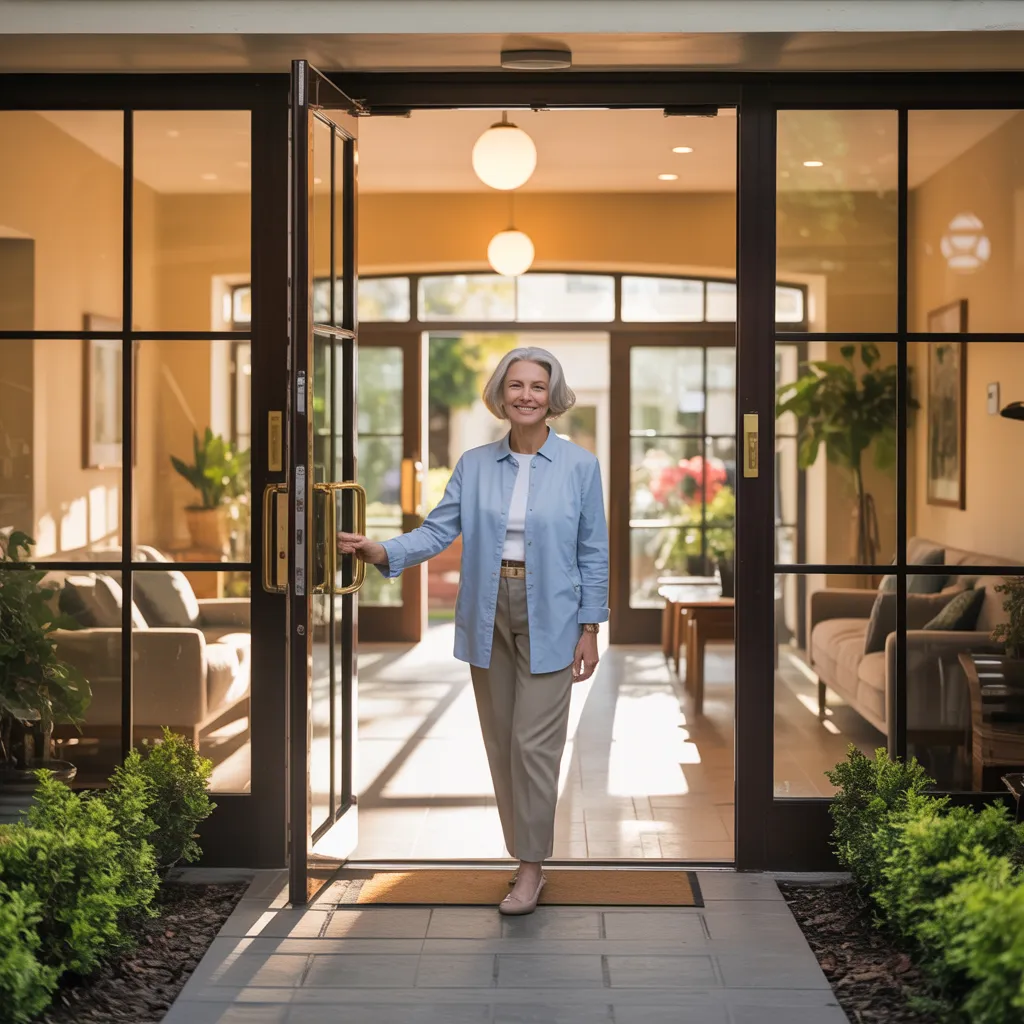
Handling Memory Loss: Recognizing Memory Care
Handling memory loss demands a nuanced comprehension of cognitive support, as it encompasses multiple approaches tailored to individual requirements. Memory care focuses on assisting older adults with mental decline, such as Alzheimer's disease or other forms of cognitive disorders. This specialized method seeks to create a safe and structured setting that promotes autonomy while guaranteeing the welfare of residents.
Effective memory care initiatives often include customized treatment strategies, stimulating programs, and therapies designed to enhance mental abilities. Staff members complete advanced education to understand the complexities of cognitive decline and to interact effectively with patients. Additionally, fostering social connections and psychological assistance is vital in enhancing overall well-being for those affected. Overall, understanding memory care involves recognizing the diverse challenges encountered by people with memory loss and the importance of customized approaches to address those challenges effectively.
Essential Features of Effective Memory Care Programs
Effective memory care programs feature multiple important elements that enhance the quality of life for seniors. Personalized care plans are vital, as they handle unique requirements and desires. Additionally, an engaging activities schedule and experienced staff proficiency play significant roles in building a supportive environment for residents.
Customized Support Frameworks
Personalized care plans act as the cornerstone of effective memory care programs, adapting support to the unique needs and preferences of every individual. These plans are formulated through thorough assessments, which assess cognitive function, medical history, and personal interests. This tailored approach assures that caregivers can provide targeted and significant support, boosting the quality of life for residents. Regular reviews of these care plans permit adjustments based on the individual's evolving needs and progress. Additionally, involving family members in the planning process fosters collaborative relationships and promotes a holistic understanding of the resident's background and preferences. Ultimately, personalized care plans are crucial in tackling the complexities of memory care, guaranteeing that each resident receives compassionate and effective assistance.
Engaging Activities Timetable
support active minds but also strengthen relationships among residents. In the end, a well-structured program of activities
Professional Team Capabilities
Trained care teams play a pivotal role in the performance of memory care programs, ensuring that residents receive the tailored support they need. Their capabilities includes understanding various forms of dementia and effective communication strategies suited for individual residents. Ongoing training in behavioral management techniques advances their ability to address challenging situations with care and patience. Additionally, staff members are equipped to implement personalized care plans that focus on the particular needs and preferences of each individual. This specialized training fosters a secure and nurturing environment, promoting cognitive engagement and emotional well-being. Ultimately, the proficiency of trained staff not only improves the quality of care but also enriches the overall experience for residents, making them feel valued and understood.
How Personalized Help Assists Alzheimer's and Dementia Patients
While many people with Alzheimer's and dementia face unique obstacles, personalized support can significantly enhance their overall well-being. Individualized care plans, developed based on personal needs and choices, guarantee that each person receives the particular help that promotes their health and wellness. This approach not only addresses daily living tasks but also emphasizes emotional and cognitive support.
Engaging individuals in recognizable and purposeful tasks can enhance recall and promote a sense of purpose. Direct relationships with caregivers, who comprehend the subtleties of each resident's background, additionally strengthen emotions of safety and confidence. In addition, personalized support can help decrease worry and restlessness, common in those with memory impairments. By establishing a nurturing environment that honors individuality, specialized memory care programs informative guide enable residents to maintain dignity and enhance their overall experience. Ultimately, personalized support plays a essential role in making life more manageable and enjoyable for those dealing with Alzheimer's and dementia.
Picking the Best Memory Care Program for Your Family Member?
Selecting the fitting memory care facility calls for a rigorous assessment of the distinct needs of your loved one. It is imperative to evaluate the programs delivered through each program and how they align with those needs. Additionally, reflecting on the training of the personnel can be a pivotal part in ensuring high-quality care and aid.
Assess Particular Demands Prior to Moving Forward
How can families guarantee they pick the most suitable memory care program for their family members? The initial stage involves a thorough assessment of personal requirements. Families should consider the specific cognitive challenges their loved ones experience, as well as their bodily wellness, emotional state, and individual likes. Comprehending the unique combination of these factors can help with identifying a program that aligns with their loved one's requirements. Additionally, families should evaluate the amount of support needed, including assistance with daily activities and any specialized medical support. Participating in open conversations with the loved one and speaking to healthcare professionals can further clarify these needs, ensuring a more informed decision when selecting the appropriate memory care program.
Evaluate Program Offerings Offered
It is necessary to evaluate the activities offered by memory care programs to ensure they address the needs and preferences of residents. Involving in activities can stimulate cognitive function and encourage social interaction, which improves overall quality of life. Programs need to include a variety of activities suited to different cognitive levels, such as arts and crafts, music therapy, and guided reminiscence sessions. Outdoor activities and physical exercises remain important for boosting physical health and mobility. Additionally, it is advantageous to evaluate whether the activities promote family involvement, encouraging connections between residents and their loved ones. Ultimately, a balanced schedule that focuses on both mental and physical engagement can greatly impact a resident's emotional well-being and fulfillment.
Consider Employee Credentials Carefully
best dementia care facility.
Memory Care Programs That Enhance Well-Being
Engaging in memory care activities can significantly improve the well-being of seniors facing cognitive challenges. These activities are designed to stimulate cognitive function, improve social interaction, and promote emotional health. Activities such as brain teasers, memory games, and reminiscence therapy encourage mental engagement and help reinforce neural connections. Art and music therapy provide expressive mediums, allowing seniors to communicate their feelings and connect with their emotions.
Physical activities, like gentle exercises or dance, not only better mobility but also amplify mood and reduce apprehension. Gardening and nature walks can enhance tactile and sensory moments and foster a sense of accomplishment. Group activities, such as storytelling or cooking classes, promote socialization, lessening sense of being alone. Ultimately, individualized memory support initiatives play an essential contribution in protecting dignity and enhancing the overall wellbeing for seniors, providing them with meaningful experiences that spark pleasure and togetherness in their daily lives.
The Key Role Loved Ones Have in Supporting Memory Care
Family members maintain an critical role in contributing to memory care, as their participation can markedly enhance the quality of life for seniors addressing cognitive obstacles. By keeping up regular communication, families help seniors feel engaged, reducing feelings of disconnection that regularly accompany memory loss. Direct participation in care routines, such as assisting in daily activities and participating in therapy sessions, promotes a sense of security and ease.
In addition, family members can stand up for their cherished ones, making sure their wishes and requirements are met within memory care programs. Telling important narratives and valued recollections can encourage cognitive participation, turning routine conversations more rewarding. Recognizing the particular hurdles of memory loss allows family groups to provide individualized support, building a compassionate setting. Ultimately, the psychological and hands-on involvement of relatives is paramount, as it not only improves the elderly person's life but also deepens family relationships across this demanding phase.
Transformative Success Stories From Memory Support Programs
The participation of family members in memory care not only boosts the emotional well-being of seniors but also enables remarkable transformations within memory care programs. In one compelling instance, a resident named Margaret, who showed intense distress, experienced a notable transformation after her daughter began engaging in daily activities. Their quality time nurtured a sense of reassurance, bringing about better interactions with staff and peers.
Likewise, a program in a local facility centered around personalized storytelling, allowing residents to share their life experiences with family. This program not only enhanced seniors' self-esteem but also strengthened familial bonds, resulting in noticeable improvements in mood and cognitive engagement.
These positive narratives illustrate that when families participate actively in memory care, they create an environment conducive to healing and growth, reflecting the meaningful influence of caring relationships in specialized memory care settings.
Typical Questions Area
What Competencies Should Staff Display in Memory Care Programs?
Caregivers in elderly support facilities should obtain applicable certifications in geriatric care or dementia care, proficiency in managing behaviors, strong communication skills, care and understanding, and regular professional development to stay knowledgeable about optimal methods for aiding individuals with memory loss.
How Do Memory Care Programs Handle Medical Emergencies?
Memory care initiatives typically create guidelines for urgent health situations that contain staff training, direct availability to doctors and nurses, emergency response plans, and routine practice exercises to assure readiness for various critical situations concerning residents' health.
Do Memory Care Facilities Allow Pets?
Understanding of how animals benefit inhabitants' emotional well-being has made many care environments pet-friendly. These facilities regularly include animals, cultivating interpersonal connection and diminishing worry among individuals with memory challenges.
What Can You Plan to Invest for Memory Support Services?
The standard cost for memory care services falls between $3,000 to $7,000 per month, determined by location, amenities, and required level of care, with numerous facilities providing multiple pricing models to accommodate different needs.
How Should Loved Ones Discuss Concerns With Staff About Their Loved One's Needs?
Families may interact successfully with staff through organizing regular gatherings, conveying detailed observations, posing inquiries about care approaches, and communicating concerns. Direct engagement develops collaboration and guarantees that the loved one's needs are steadily met.